May 11th – 17th Daily Creates
#tdc5034 #ds106 #WriteOut Oh, The Os
This daily create challenged us to take a word with the letter “O” in it and creatively replace the “O”s with different circular designs or objects. I used the word “Honour” and turned the first “O” into a donut and the second into a pearl using Canva.
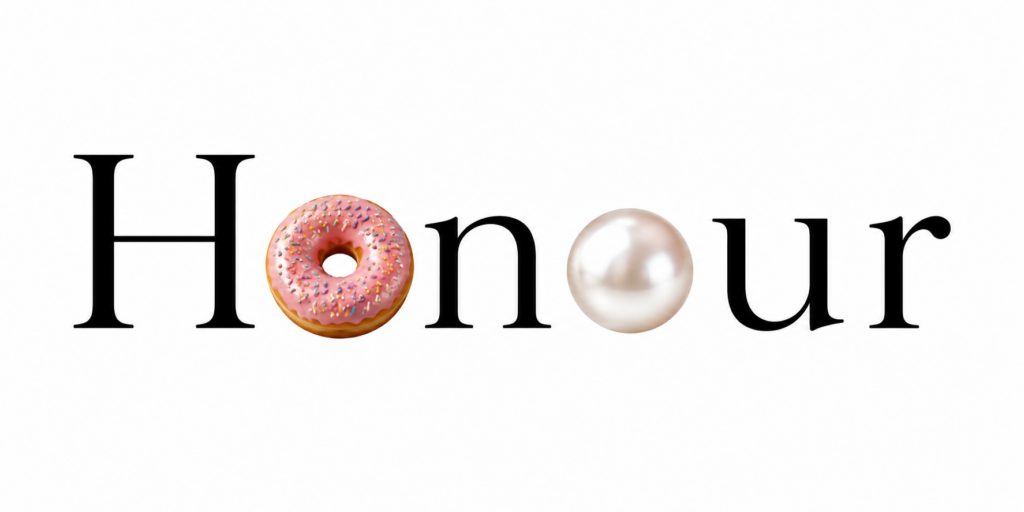
This activity is connected to a couple of the theories of multimedia learning. It first relates to the multimedia principle because it combines text and visuals together instead of just using plain writing. The different “O” designs made the word more engaging and helped communicate meaning visually. It also relates to dual coding theory since the word was processed through both verbal information (reading the word) and visual information (recognizing the objects replacing the “O”s).
#tdc5027 #ds106 #WriteOut: Rock Out
This daily create involved writing a short conversation with a rock and basically giving it a personality. I made the rock weirdly wise and sarcastic, joking about my failed attempts at parallel parking and saying, “The tree told me everything.”
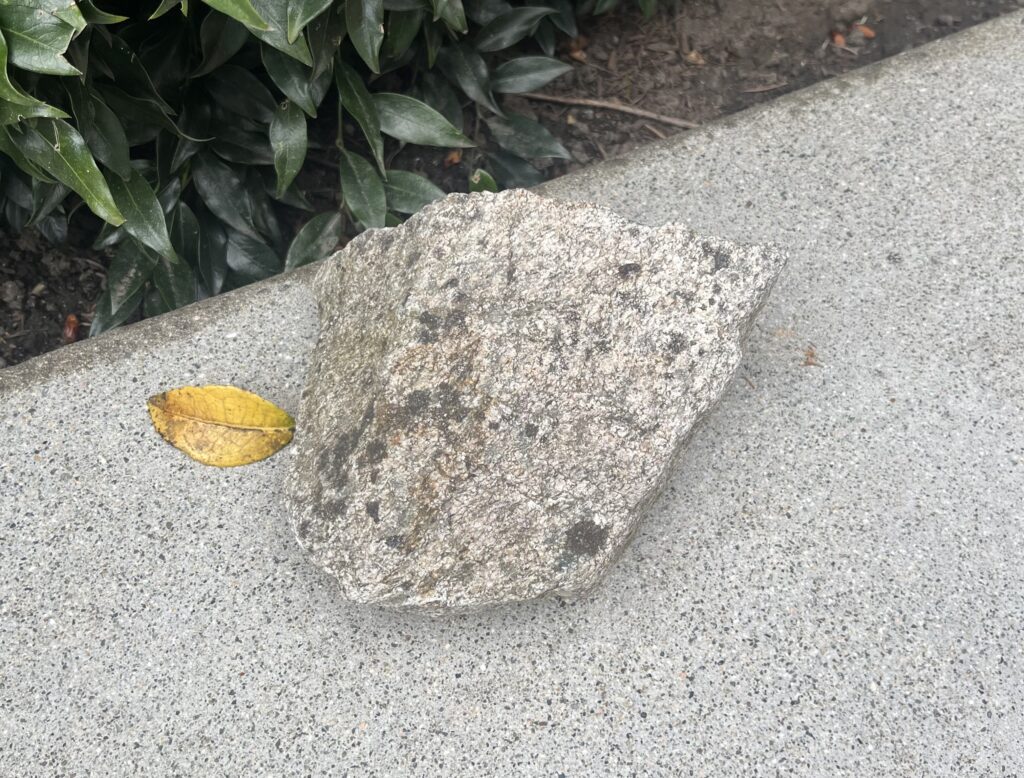
Me: Why do you look kind of wise?
Rock: Because I’ve seen things.
Me: Like what?
Rock: Your failed attempts at parallel parking.
Me: Wow, okay.
Rock: The tree told me everything.
This activity connects really closely to the personalization principle, because the casual writing and conversation style makes the content more engaging or relatable than if it were written formally. I think both the humour and the image of the rock also helped create a clearer mental image of the interaction, which relates to dual coding theory since readers process both the text and the mental visuals they imagine while reading it. Even though it was only a short dialogue, it still showed how storytelling and personality can make content more memorable and interactive.
#tdc4520 #ds106 Thought-une poem
For this daily create, it involved making a poem using a random generator to create each line. Since the lines were randomly generated, I think that the challenge was more about interpreting the poem and finding meaning or humour from the combinations of words.
Will you help us fly?
Will you knit our thoughts together?
You glide
You soar higher
You notice gratitude
You soar higher
For me, finding how this activity connected to the theories of multimedia learning was much harder. However, I think it’s possible that it could relate the coherence principle, because even though the poem was random, readers still naturally try to organize the information into something meaningful. So instead of an instructer presenting meaningful information, the reader catogarizes it themselves. The activity also connects to dual coding theory because the random phrases created mental images while being read. Even though the poem was generated automatically, it still showed how language can create emotion, imagery, and different interpretations depending on the audience.